プリア・カン寺院

4.8 出典:Google 文化遺産 1〜2時間
4.8

出典:Google

概要

プリア・カン寺院 (Preah Khan Temple)はアンコール地域最大の寺院複合体の一つで、12世紀にジャヤーヴァルマン7世が父を称えるために建てたため、「父の寺院」とも呼ばれています。寺院は壮大な規模で、かつて重要な仏教学習センターでした。プリア・カンは独特の2階建て構造と精巧な石彫で有名で、多数の長い回廊と中庭があります。タ・プロームと同様に、熱帯植物に侵食され、木の根が古代建築と絡み合い、独特の景観を作り出しています。寺院の中央には独特の2階建て円形建築があり、アンコール建築では珍しいギリシャ様式の構造です。

文化遺産 推奨滞在時間: 1〜2時間
このページをシェア

レビュー (20 レビュー) 出典:Google

G&Ts World

G&Ts World

English

Ancient Grandeur, Remarkable History We visited Preah Khan Temple as part of our two-day exploration of the magnificent Angkor Archaeological Park, and it was another impressive experience that deepened our appreciation of Cambodia's extraordinary Khmer heritage. Constructed in 1191 during the reign of King Jayavarman VII, Preah Khan was built to commemorate a significant Khmer military victory over the Cham and was dedicated to the king's father. Its name translates to "Sacred Sword", reflecting its royal and religious significance. Unlike many of Angkor's temples, Preah Khan was far more than a place of worship. It was an extensive Buddhist religious and educational complex, accommodating thousands of monks, teachers, attendants and other personnel. Historical inscriptions reveal the remarkable scale of its operations, highlighting the sophistication and organisation of the Khmer Empire more than 800 years ago. Architecturally, the temple is fascinating. Its long corridors, interconnected galleries, intricately carved sandstone walls and impressive entrance gateways create an almost labyrinth-like experience. Originally dedicated to Mahayana Buddhism, the complex also incorporated Hindu shrines, reflecting the diverse religious traditions of the period. One of the most captivating features is the relationship between the ancient stonework and surrounding jungle. Enormous tree roots embrace sections of the ruins, creating a striking contrast between human achievement and the enduring forces of nature. For us, exploring Preah Khan was another reminder that every temple within Angkor has its own distinctive character and story. While Angkor Wat impresses through its monumental grandeur and Bayon through its mysterious stone faces, Preah Khan offers an extraordinary combination of history, intricate architecture and atmospheric passageways. Having explored these temples over two days, one recommendation we'd strongly encourage is investing in an experienced local guide. We found that understanding the history, religious symbolism and architectural details transformed our visits from simply admiring ancient ruins into genuinely appreciating the civilisation that created them. Preah Khan is an excellent example of why this knowledge matters. Without understanding its original purpose and enormous scale, it would be easy to overlook just how important this complex once was. Today, the temple forms part of the UNESCO World Heritage-listed Angkor Archaeological Park, preserving an extraordinary chapter in Southeast Asian history. We thoroughly enjoyed our visit to Preah Khan. Its impressive architecture, fascinating history and beautiful setting make it a memorable destination and a worthwhile inclusion in any extended Angkor temple itinerary. Disclosure: We visited independently and have no affiliation with this attraction. Our review reflects our personal experience. Greg&Trina.

James Koo

James Koo

한국어

밀림 속에서 길을 헤메는 듯. 몇군데 복원된 건물과 그에대한 설명이 있는데 처음 건설된 시절에 얼마나 웅장했고 건축적으로 뛰어 난 사원인지 추측할 수 있었다 캄보디아 앙코르 유적군에 위치한 12세기 불교 사원인 쁘레아 칸(Preah Khan). 쁘레아 칸 사원의 건축적 특징은 자야바르만 7세 시대의 전형적인 바욘(Bayon) 양식을 따르면서도, 다른 앙코르 유적에서 볼 수 없는 독특한 구조적 요소를 지니고 있다. 주요 건축 특징. 1. 그리스 풍의 독특한 2층 석조 건물 • 사원 동북쪽 구역에는 앙코르 유적 전체를 통틀어 유일하게 그리스 신전을 연상시키는 원형 기둥으로 받쳐진 2층 석조 건물이 있다. • 이 건물은 사각 기둥을 주로 쓰던 전통 크메르 건축과 달리 둥근 기둥을 사용한 것이 특징이며, 내부나 외부에 2층으로 올라가는 계단이 존재하지 않아 과거에는 목조 보조 계단을 이용했을 것으로 추정된다. (성스러운 보검을 보관하는 창고나 곡물 창고로 쓰였다는 설이 있다.) 2. 평지형 사원과 점진적으로 낮아지는 문(성문) • 웅장하게 솟아오른 산 형태의 사원(예: 앙코르 왓)과 달리, 평지에 넓게 펼쳐진 평지형 사원 구조. • 중심부인 중앙 성소로 들어갈수록 문의 높이와 크기가 점진적으로 낮아지도록 설계되었다. 이는 중앙에 모셔진 신(또는 왕)에게 다가갈수록 자연스럽게 고개를 숙이고 경의를 표하도록 유도하는 독특한 건축적 장치이다. 3. 중심성 중심의 십자형 구조와 긴 회랑 • 사원은 동서남북 사방으로 대칭을 이루는 축을 가지고 있으며, 중심으로 갈수록 겹겹이 에워싸는 회랑과 문(Gopura)이 반복된다. • 수많은 기둥이 늘어선 긴 회랑과 탁 트인 시야를 제공하는 일직선의 통로 구조는 사원의 종교적 엄숙함과 공간의 깊이감을 더해준다. 4. 자연과의 동화 (수목의 침식) • 타 프롬(Ta Prohm) 사원과 마찬가지로, 쁘레아 칸 역시 거대한 살라(Spathodea) 나무와 벵골보리수(Spung) 뿌리가 석조 건물을 집어삼킨 채 얽혀 있다. • 무너져 내린 석조 부재들과 인공적인 건축물이 자연과 한데 어우러져 자아내는 기괴하면서도 신비로운 미학이 특징이다.

Lau Dexter

Lau Dexter

English

Beautiful temple. Has a bunch of Devas holding a snake guarding it doors, but unfortunately most of the Devas had been beheaded during the Khmer Rouge era

BAMBOO SHEN

BAMBOO SHEN

中文

从圣剑寺出发,一路行至龙蟠水池,再到塔兴寺,最后来到古树环抱的塔逊寺——这条路线仿佛一条穿越时光的长廊,串联起阇耶跋摩七世留给后世最深沉的情感与最宏大的文明印记。圣剑寺是他为父亲修建的纪念之所,塔普伦寺则是为母亲所建,每一座寺庙都是一封刻在石头上的家书,承载着对至亲的无尽思念与追念。而龙蟠水池作为当时的寺庙疗养所,池底遍植草药,药水依四方流入不同水池,按症施治——这不仅是一座建筑,更是一位帝王对苍生百姓的悲悯与关怀。沿途所见,从恢宏的城池到精巧的浮雕,从纵横千里的水利网络到遍布帝国的驿站与医院,无不诉说着高棉帝国在那个时代的强盛与自信。阇耶跋摩七世用石头书写了一个王朝的荣光:那是一个疆域辽阔、国力强盛的时代,也是一个文化高度繁荣、信仰与艺术交相辉映的时代。这些沉默的寺庙,至今仍以“高棉的微笑”凝视着世界,诉说着一个文明曾经抵达过的高度。

Bok McDok (Doc Bok)

Bok McDok (Doc Bok)

English

Walking into Preah Khan feels like walking into a small ancient Khmer city. Like Angkor Thom, the path is lined with statues. The bridge over the moat bears similar statues of asuras and devas using the king of the nagas in the churning of the sea of milk. This was a larger temple, a place of learning, a city in its own right. After passing the outer wall you are still not in the temple proper. Along the dirt path there are displays exhibiting photographs of the temple when it was first discovered. Trees line the path, having grown inside the walls and taking over the temple grounds. The temple itself, however, is still preserved. The temple is flat, not a pyramid temple. After a long day exploring, it was a relief not to have to climb more steps to se what secrets it holds. It is surrounded by yet another wall, an extra layer of protection from the outside world. Despite having a pattern of rectangular paths, the inside the temple can still feel like a maze. Along the main corridor leading from entrance to entrance can be found yoni, as is common for temples in this area. At the center of the temple is a small stupa, serving as the focal point for this small city. Outside the temple can be found small libraries. One of these is mostly intact, but others have been reduced to piles of rubble. Very little work has been done to restore this temple, and the moss growing on its walls are slowly eroding the stone. So it's surprising how intact the temple is after all this time. The inner temple hasn't been completely safe from the outside. One of the buildings has a tree stump growing out of it. Conservationists have cut down the tree, but the base and its roots are still embedded in the structure of the temple.

おすすめの観光地

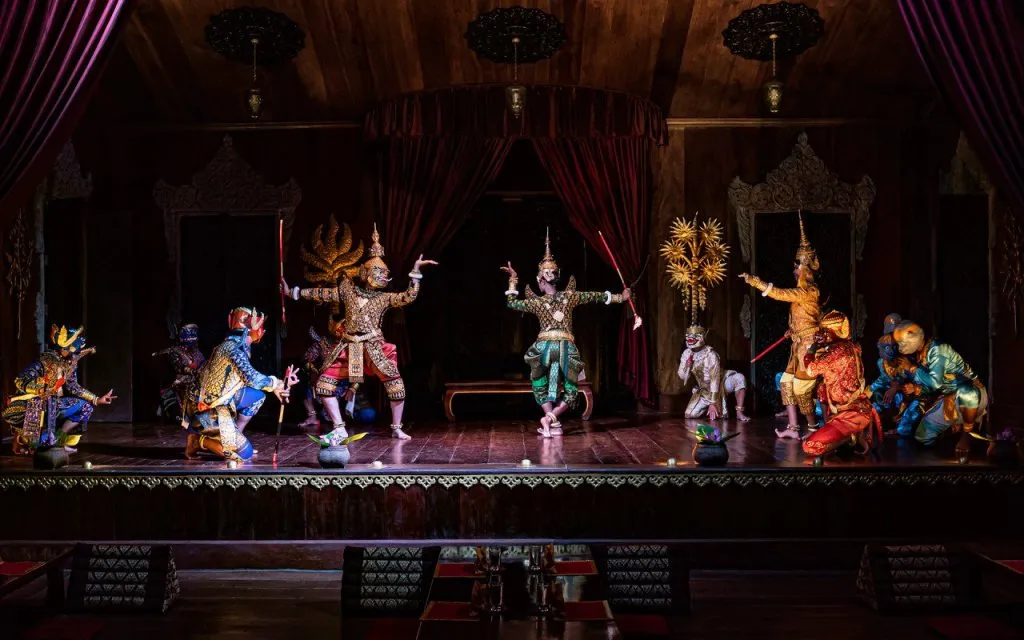
アプサラ劇場

アプサラ劇場 (Apsara Theatre)は伝統的な半植民地様式で建てられ、壮大なエネルギーに満ちています。オリジナルの木製外観からアンティーク装飾、天蓋照明まで、古い劇場...

詳細を見る