Eastern Mebon

4.6 Source: Google Cultural Heritage 1-2 Hours
4.6

Source: Google

About

Eastern Mebon is a 10th-century Hindu temple built by King Rajendravarman II, dedicated to the god Shiva. The temple was originally constructed on an artificial island in the now-dry East Baray reservoir, but the temple still stands today. Eastern Mebon features a five-tiered pyramid structure, with its most distinctive features being the five brick towers on the corners and central platform, as well as life-sized elephant sculptures at the four corners of the base. These well-preserved stone elephants are rare three-dimensional sculptures in Angkor architecture. The brick towers feature exquisite stucco decorations and lintel carvings, showcasing the superb craftsmanship of Khmer art.

Cultural Heritage Suggested Duration: 1-2 Hours
Share this page

Reviews (20 Reviews) Source: Google

G&Ts World

G&Ts World

English

Ancient History, Remarkable Architecture We visited East Mebon Temple as part of our two-day exploration of the magnificent Angkor Archaeological Park and thoroughly enjoyed discovering another remarkable chapter in Cambodia's ancient history. Constructed in 953 AD during the reign of King Rajendravarman II, East Mebon was dedicated to the Hindu god Shiva and built to honour the king's ancestors. The temple originally stood on an artificial island in the vast East Baray reservoir, an extraordinary feat of Khmer engineering that formed part of Angkor's sophisticated water management system. Today, the reservoir is largely dry, making it difficult to imagine that this impressive temple was once surrounded by water. Understanding this historical setting adds an entirely different perspective to the experience. Architecturally, East Mebon is a wonderful example of 10th-century Khmer temple design, constructed primarily from brick, laterite and sandstone. Its elevated terraces, intricately carved lintels and five sanctuary towers reflect the religious symbolism and craftsmanship of the period. One of its most distinctive features is the magnificent sandstone elephant sculptures positioned at the corners of its terraces. These beautifully preserved figures are particularly impressive and provide a wonderful insight into the artistic achievements of the Khmer civilisation more than 1,000 years ago. Having explored numerous temples throughout Angkor, we've come to appreciate that each has its own fascinating story, architectural character and historical significance. If there's one recommendation we'd make, it's to invest in an experienced local guide. We found that having someone explain the history, religious symbolism and architectural details transformed our experience. Without that knowledge, it would be easy to admire the structures without fully appreciating their significance or understanding how they fit into the broader history of the Khmer Empire. For us, learning that East Mebon once stood in the middle of an enormous reservoir was a perfect example of how a knowledgeable guide can bring these ancient monuments to life. East Mebon is an impressive and historically significant temple that deserves a place on any Angkor itinerary. We thoroughly enjoyed our visit and would highly recommend taking the time to explore it. Disclosure: We visited independently and have no affiliation with this attraction. Our review reflects our personal experience. Greg&Trina.

James Koo

James Koo

한국어

석양 무렵에 도착한 동메본 사원은 붉은 석양이 비추고 있었다. 힌두교 시바신을 상징하고 경배하는 사원. 코끼리 석상이 매우 회화적으로 표현되어 사방을 지키도록 설치되었다. 동 메본(East Mebon)은 캄보디아 시엠립 앙코르 유적군에 있는 10세기 힌두교 사원입니다. 1. 기본 개요와 역사 • 건립 시기 및 왕: 서기 953년, 크메르 제국의 라젠드라바르만 2세(Rajendravarman II) 왕 재위 시절에 건립되었다. • 헌정 목적: 힌두교의 파괴와 창조의 신인 시바(Shiva)신과 왕의 부모님을 기리기 위해 세운 조상 숭배 성격의 사원이다. • 건축가: 앙코르 유적 중 드물게 건축가의 이름(까빈드라리마타나, Kavindraimathana)이 기록으로 남아 있다. • 프레 룹(Pre Rup)과의 관계: 동 메본은 북남 축으로 왕의 국사당이었던 '프레 룹' 사원과 연결되며, 두 사원은 쌍둥이처럼 밀접한 연관성을 지니고 있다. 2. 수상 사원(Island Temple)의 특징 • 동 바라이(East Baray): 원래 이 사원은 길이 약 7km, 폭 약 1.8km에 달하는 거대한 인공 저수지(동 바라이) 한가운데에 만들어진 인공 섬 위에 세워졌다. • 배의 접근: 물이 가득 차 있던 당시에는 오직 배를 통해서만 사원에 접근할 수 있었다. • 현재의 모습: 오늘날에는 저수지가 말라버려 물 대신 주변에 논과 마을이 펼쳐져 있지만, 사원 아래쪽의 선착장(Landing stage) 흔적을 통해 과거 수상 사원의 모습을 유추할 수 있다. 3. 주요 볼거리와 건축 양식 • 사원산(Temple-Mountain) 구조: 메루산(Mount Meru, 힌두교 우주관의 신들이 사는 신성한 산)을 상징하며, 3개의 층과 2개의 외벽, 그리고 꼭대기에 5개의 탑(중앙 탑과 네 모퉁이의 탑)이 퀸쿤스(Quincunx, 5소점) 형태로 배치되어 있습니다. • 코끼리 석상: 1층과 2층 기단의 각 모퉁이에 높이 약 2m에 달하는 거대한 돌 코끼리 석상 8마리가 위풍당당하게 서 있어 동 메본의 가장 상징적인 포토존이자 수호신 역할을 한다. • 사용된 자재: 사암, 벽돌, 라테라이트(홍토), 치장토(스투코) 등 당시의 대표적인 건축 자재가 고루 사용되었다. • 정교한 린텔(문설주) 부조: 힌두 신화 속의 장면들을 섬세하게 조각한 석조 부조들이 잘 보존되어 있다.

KA MA (BLUE SKY)

KA MA (BLUE SKY)

日本語

東メボンは、ラージェンドラヴァルマン2世によって10世中頃(952年)に建てられたヒンドゥー教寺院です。最上部の祠堂ではシヴァ神と祖先の霊が祀られています。 東メボンは、東バライと呼ばれる巨大な貯水池の中央に建てられました。 現在は貯水池の水が涸れていますが、かつては水面に反射した陽の光によって輝くような姿をしていたそうです。 別名「ゴールデンマウンテン(黄金の山)」と呼ばれることもありました。 東メボンは、「大回りコース」と呼ばれる観光ルートに含まれる遺跡です。「大回りコース」には特色ある遺跡がたくさん含まれているので、ぜひセットで観光してみてください。 東メボンにおいて、特徴的なのは基壇の四隅に配置された象の石像です。 同じくラージェンドラヴァルマン2世が修復に関わったピミアナカスにも類似のものがありますが、東メボンの象たちは保存状態が良くきれいに残っています。 それほど規模の大きい寺院ではありませんが、細やかなリンテルの装飾や保存状態の良い象の彫像など見どころは多いです。 ぜひかつての広大なバライの水面に浮かんでいた姿を想像しながら、足を運んでみてください。

Kaushal Pitroda

Kaushal Pitroda

English

We visited as part of our sunset tour; this was the fourth temple on the list. It is a Hindu temple, and some of the stonework is well preserved. Our guide, Mr. Sam, explained the techniques the engineers used to construct the pillars and the temple. It’s amazing to see this type of structure withstand the test of time.

Sous Vannoeun

Sous Vannoeun

English

East Mebon is a wonderful temple, and even if you only see it from the outside, it’s still a very impressive site to visit. It’s famous for being built on what was once an artificial island in the middle of a massive reservoir, and you can still see the stone landing stages where boats used to dock. The outside view is truly special because of the large, life-sized stone elephants standing at the corners of the tiers. These "monolithic" statues are remarkably well-preserved and make for great photos even from a distance. Even without going inside the five main brick towers, you can appreciate the grand "temple mountain" structure that was built to represent the mythical Mount Meru. It’s a peaceful spot that feels very different from the more crowded temples.

You Might Also Like

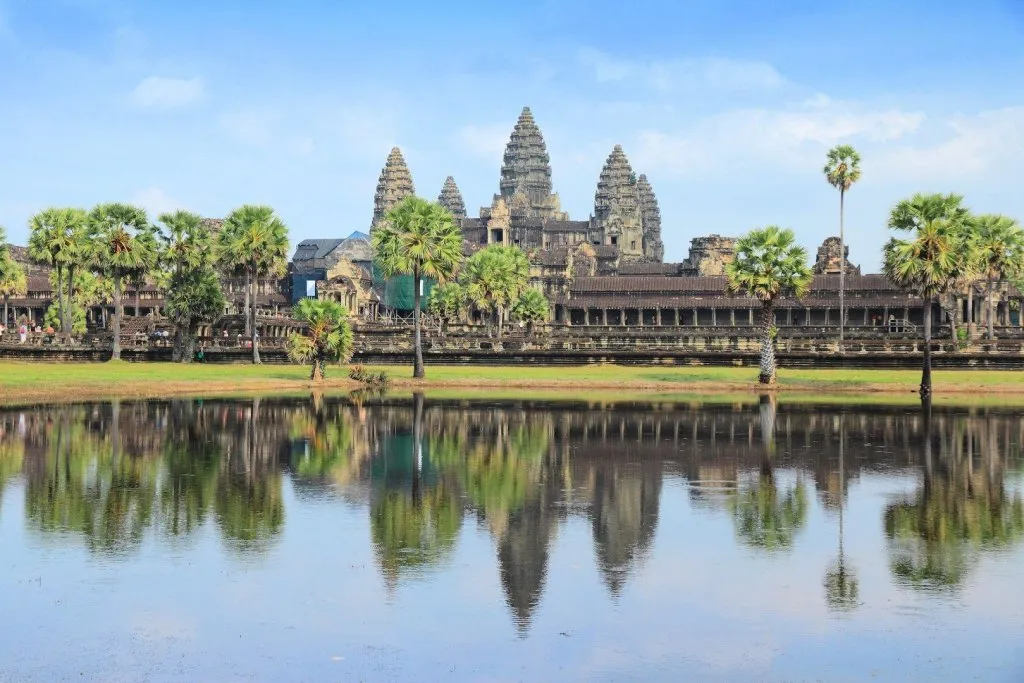
Angkor Wat

A 12th-century Hindu-Buddhist temple complex in northern Cambodia. Renowned as one of the Four Great Wonders of the Ancient East.

View Details

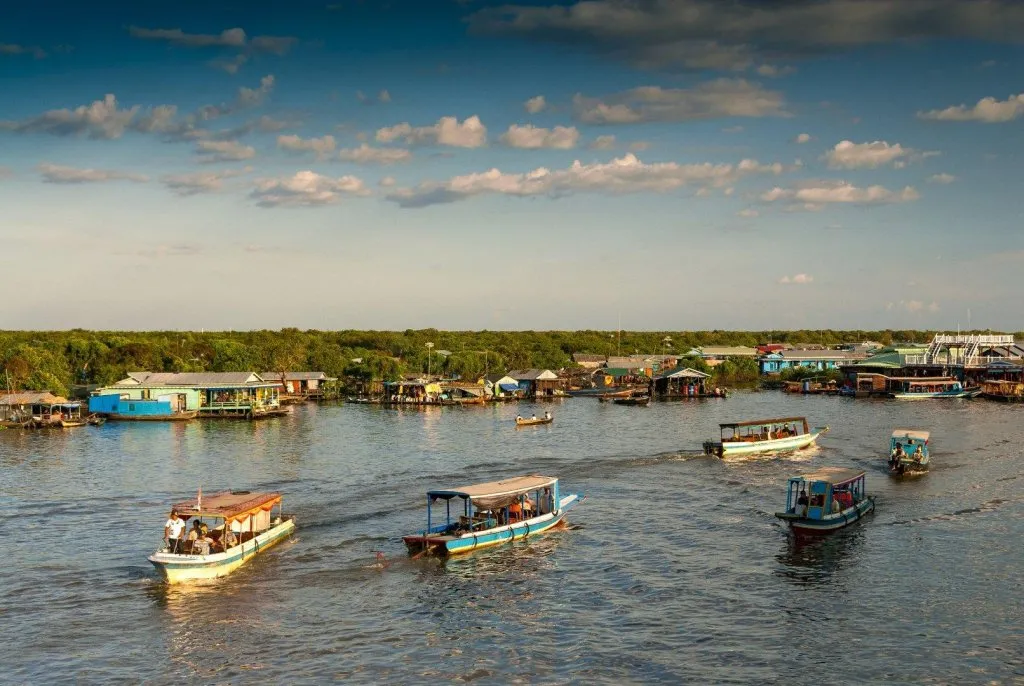
Tonlé Sap, Cambodia

Southeast Asia's largest freshwater lake with unique floating villages and rich ecosystem. Take a boat tour to visit Vietnamese floating villages and enjoy stun...

View Details

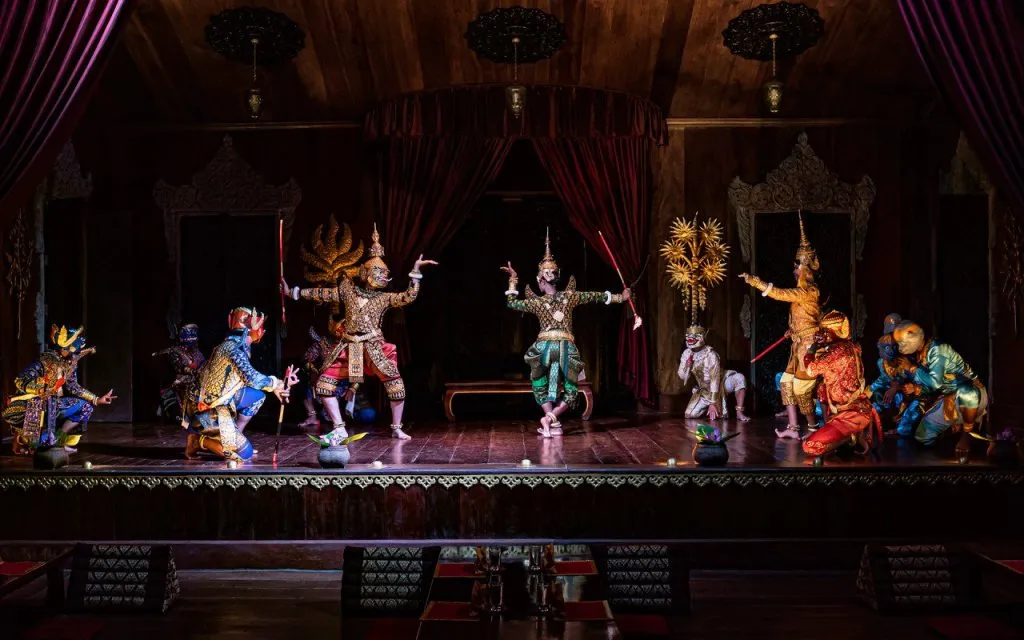
Apsara Theatre

Apsara Theatre is built in a traditional semi-colonial style, filled with magnificent energy. From the original wooden exterior to antique decorations and canop...

View Details