
Fred Kang
한국어층으로 되어서 오라가야하는 형태인데 날씨 좋은 날엔 하늘도 예쁘고 아름답습니다. 번외로 가볼만해요
/
Source: Google
Eastern Mebon is a 10th-century Hindu temple built by King Rajendravarman II, dedicated to the god Shiva. The temple was originally constructed on an artificial island in the now-dry East Baray reservoir, but the temple still stands today. Eastern Mebon features a five-tiered pyramid structure, with its most distinctive features being the five brick towers on the corners and central platform, as well as life-sized elephant sculptures at the four corners of the base. These well-preserved stone elephants are rare three-dimensional sculptures in Angkor architecture. The brick towers feature exquisite stucco decorations and lintel carvings, showcasing the superb craftsmanship of Khmer art.
층으로 되어서 오라가야하는 형태인데 날씨 좋은 날엔 하늘도 예쁘고 아름답습니다. 번외로 가볼만해요

小規模だが象をはじめとする石像が魅力的。

East Mebon is a smaller island temple north east of Angkor Thom. Though it is an island temple, the moat has since been filled, giving it a mildly different history to other island temples. The temple is dedicated to Shiva, and host many unique carvings upon its walls. This is a smaller temple, so my visit here was a short one. Still, it was interesting to get a glimpse of yet another of the temples in the area. Being less popular I was able to explore it alone without many other tourists around. Wooden stairs protect the stone stairs of the temple again, and it is clear that just as much work is put into conservation efforts here as with other temples. Wooden frames prop up walls that have fallen down so visitors can get an idea of what the temple used to look like. The red colour of the temple stones reminded me of Pre Rup, though unlike that temple this is not a pyramid. It was an island temple in the past, but the vast expanse of water that once surrounded it no longer exists. What can now be reached by tuk tuk used to only be reached by boat. The temple hosts some intricated stone carvings as with all temples of the period. Lions guard each entrance, standing tall and watching out over what used to be water. Bas-reliefs above the doors depict the gods including Ganesha and, of course, Shiva.

2026年7月訪問。 かつて湖の中央に建っていたという歴史ロマンあふれる寺院です。 なんといっても見どころは四隅にいる実物大の象の石像。保存状態がかなり良く、写真映えします! タ・プロームやアンコール・ワットほど混雑しておらず、落ち着いて自分のペースで写真撮影や見学ができました。大回りコースを巡るならぜひ立ち寄ってほしい場所です。

象の像が四方に配置されており、比較的にそれほど壊れていないように感じます。 多層に組み上げられた建物で、上階からの眺めが楽しめます。
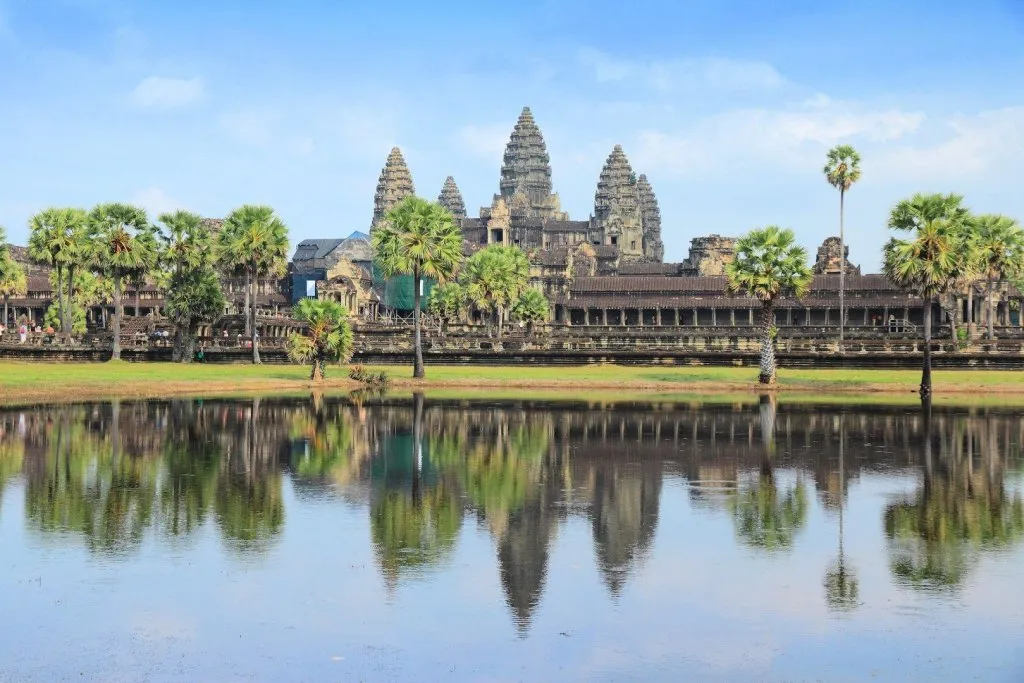
A 12th-century Hindu-Buddhist temple complex in northern Cambodia. Renowned as one of the Four Great Wonders of the Ancient East.
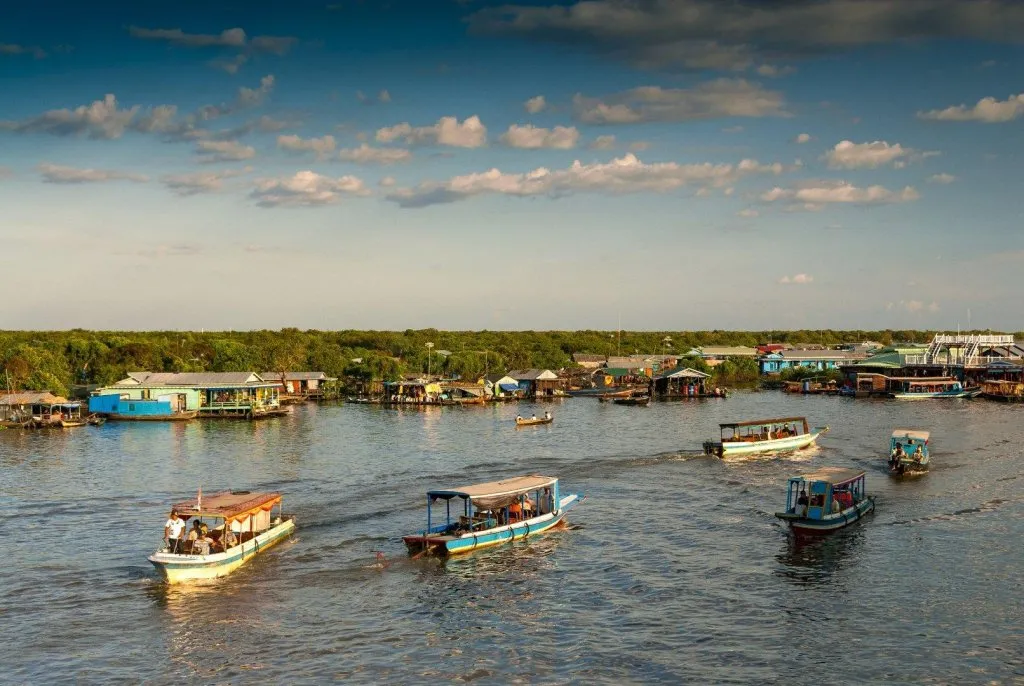
Southeast Asia's largest freshwater lake with unique floating villages and rich ecosystem. Take a boat tour to visit Vietnamese floating villages and enjoy stun...
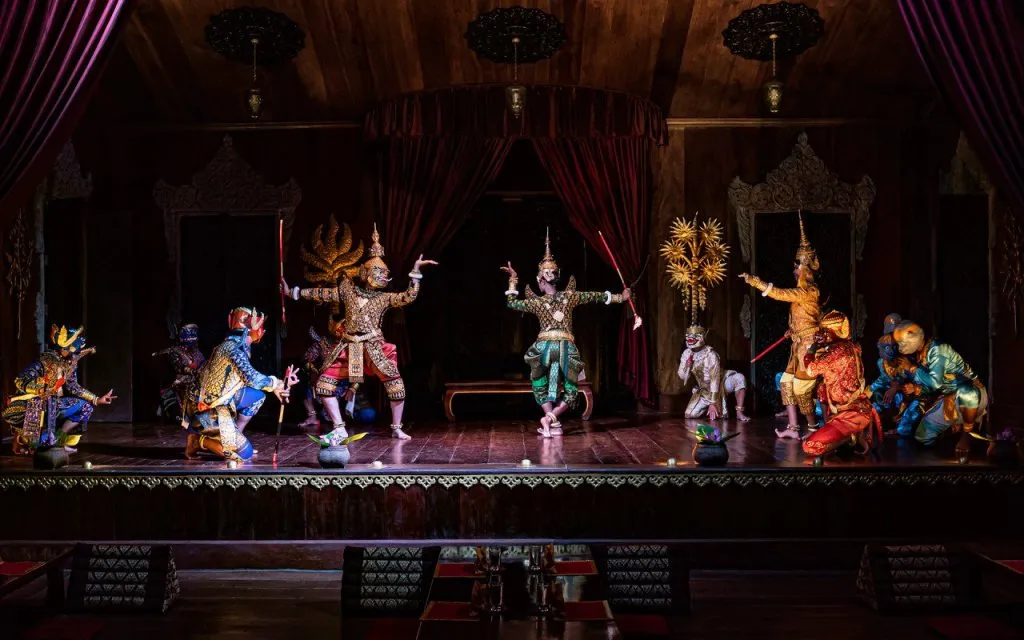
Apsara Theatre is built in a traditional semi-colonial style, filled with magnificent energy. From the original wooden exterior to antique decorations and canop...