
G&Ts World
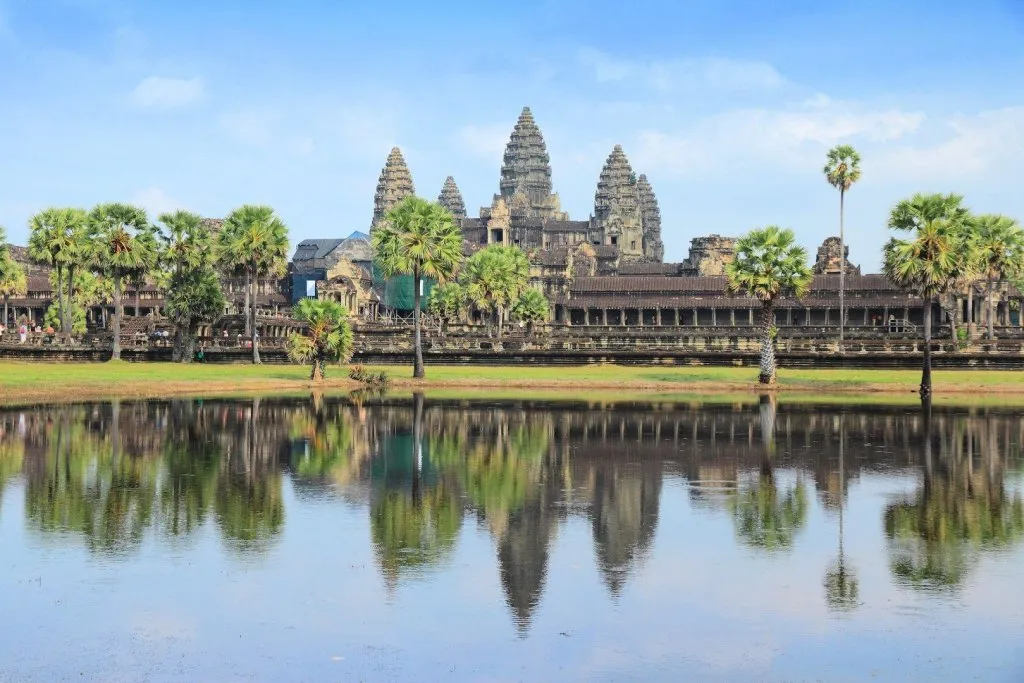
EnglishAncient Grandeur, Remarkable History We visited Preah Khan Temple as part of our two-day exploration of the magnificent Angkor Archaeological Park, and it was another impressive experience that deepened our appreciation of Cambodia's extraordinary Khmer heritage. Constructed in 1191 during the reign of King Jayavarman VII, Preah Khan was built to commemorate a significant Khmer military victory over the Cham and was dedicated to the king's father. Its name translates to "Sacred Sword", reflecting its royal and religious significance. Unlike many of Angkor's temples, Preah Khan was far more than a place of worship. It was an extensive Buddhist religious and educational complex, accommodating thousands of monks, teachers, attendants and other personnel. Historical inscriptions reveal the remarkable scale of its operations, highlighting the sophistication and organisation of the Khmer Empire more than 800 years ago. Architecturally, the temple is fascinating. Its long corridors, interconnected galleries, intricately carved sandstone walls and impressive entrance gateways create an almost labyrinth-like experience. Originally dedicated to Mahayana Buddhism, the complex also incorporated Hindu shrines, reflecting the diverse religious traditions of the period. One of the most captivating features is the relationship between the ancient stonework and surrounding jungle. Enormous tree roots embrace sections of the ruins, creating a striking contrast between human achievement and the enduring forces of nature. For us, exploring Preah Khan was another reminder that every temple within Angkor has its own distinctive character and story. While Angkor Wat impresses through its monumental grandeur and Bayon through its mysterious stone faces, Preah Khan offers an extraordinary combination of history, intricate architecture and atmospheric passageways. Having explored these temples over two days, one recommendation we'd strongly encourage is investing in an experienced local guide. We found that understanding the history, religious symbolism and architectural details transformed our visits from simply admiring ancient ruins into genuinely appreciating the civilisation that created them. Preah Khan is an excellent example of why this knowledge matters. Without understanding its original purpose and enormous scale, it would be easy to overlook just how important this complex once was. Today, the temple forms part of the UNESCO World Heritage-listed Angkor Archaeological Park, preserving an extraordinary chapter in Southeast Asian history. We thoroughly enjoyed our visit to Preah Khan. Its impressive architecture, fascinating history and beautiful setting make it a memorable destination and a worthwhile inclusion in any extended Angkor temple itinerary. Disclosure: We visited independently and have no affiliation with this attraction. Our review reflects our personal experience. Greg&Trina.