
james koo
한국어동바라이는 마른땅으로 500년을 지냈으나 2000년대 최근에 수리시설을 복원하여 다시 호수가 되었다. 진입로 연꽃과 인공호수내의 사각형 인공섬이 매우 인상적이다.니악뽀안은 동서남북중앙에 연못을 파놓았다
/
Source: Google
Neak Poan is a unique Buddhist temple built in the late 12th century by King Jayavarman VII. The temple is located on a small island in the center of an artificial pond, surrounded by four smaller pools, symbolizing the four sacred lakes in Buddhism. In the center of the main pool is a circular island with a small temple, whose base is carved with two intertwined serpents (Nagas), which is the origin of the name "Neak Poan" (meaning "entwined serpents"). During the Angkor period, this was considered a sacred healing pool, and people believed the water had miraculous healing properties. Visitors need to walk along a long wooden walkway to reach the temple, enjoying views of the pools and surrounding natural scenery along the way. During the rainy season when water levels rise, the scenery becomes even more enchanting.
동바라이는 마른땅으로 500년을 지냈으나 2000년대 최근에 수리시설을 복원하여 다시 호수가 되었다. 진입로 연꽃과 인공호수내의 사각형 인공섬이 매우 인상적이다.니악뽀안은 동서남북중앙에 연못을 파놓았다

A beautiful and unique temple surrounded by water and lush greenery. Neak Poan offers a peaceful atmosphere and a fascinating glimpse into the ancient Khmer civilization. The surrounding landscape is also an exceptional spot to enjoy the sunset, with beautiful views and golden light over the water. However, it gets very crowded around sunset, so I highly recommend arriving at least one hour before sunset to find a good spot and fully enjoy the experience. A wonderful combination of history, nature, and breathtaking scenery. Definitely worth visiting! 🇰🇭

Serenity Amidst Ancient Grandeur Of all the temples we explored during our two-day tour of Angkor, Neak Pean was undoubtedly one of our favourites. Its peaceful atmosphere, beautiful surroundings and fascinating history made it a truly memorable experience. Built in the late 12th century during the reign of King Jayavarman VII, Neak Pean is a Buddhist island temple situated within the vast man-made Jayatataka reservoir. The complex features a central sacred pool surrounded by four smaller pools, believed to have been associated with healing and spiritual purification. The name Neak Pean, meaning "Entwined Serpents," refers to the intertwined naga sculptures surrounding the central sanctuary. What makes this temple particularly special is its extraordinary setting. A wooden boardwalk leads across the water towards the island, offering beautiful views of submerged trees, lush vegetation and the surrounding landscape. For us, the serenity was the real highlight. After exploring Angkor's magnificent stone temples, Neak Pean offered a wonderful opportunity to slow down, appreciate the peaceful surroundings and reflect on the extraordinary achievements of the Khmer civilisation. It's remarkable to consider that more than 800 years ago, the Khmer Empire was constructing not only magnificent temples but also enormous reservoirs and sophisticated water management systems. We would also recommend visiting with an experienced local guide, whose knowledge of the temple's history, Buddhist symbolism and ancient engineering adds considerably to the experience. Neak Pean may lack the monumental scale of Angkor Wat, but its beauty, tranquillity and historical significance make it equally rewarding in a completely different way. One of our favourite experiences in Siem Reap and a wonderful reminder of just how extraordinary the entire Angkor region truly is. Highly recommended! Disclosure: We visited independently and have no affiliation with this attraction. Our review reflects our personal experience. Greg&Trina.

The 12th century Neak Poan Temple is my favourite temple. It is located on a series of pools, on a man-made island in the center of a reservoir. The temple consists of a central sanctuary surrounded by four interconnected pools. Access is across a walkway surrounded by lily pads & then a short walk though some bush on the island. It's a bit different from any of the other temples & feels more relaxed. Definitely put this temple on your to do list.

吴哥窟的水系非常复杂,每一位国王都要面对治水的问题。而他们在治水的时候,并不是单纯地把它当作一个工程来做,而是把印度教的宇宙观融入其中。龙蟠水池中央的小岛上,两条那伽蛇神缠绕着石塔,四周四个小水池分别以象、人、狮、马作为出水口,对应着水、土、火、风四种元素。病人根据自己体内哪种元素失衡,被指引到不同的水池去沐浴。一座水池,既是治病的场所,也是一整套精神信仰的具象化。 我站在那个水池边上想,他们修这个的时候,脑子里想的不是"怎么把水引过来最有效率",而是"怎么让每一滴水都跟神有关"。你会觉得,他们不是从实用的、功利的角度去做这些事情,而是从精神世界出发,把信仰刻进了石头里、水流里、每一根廊柱里。
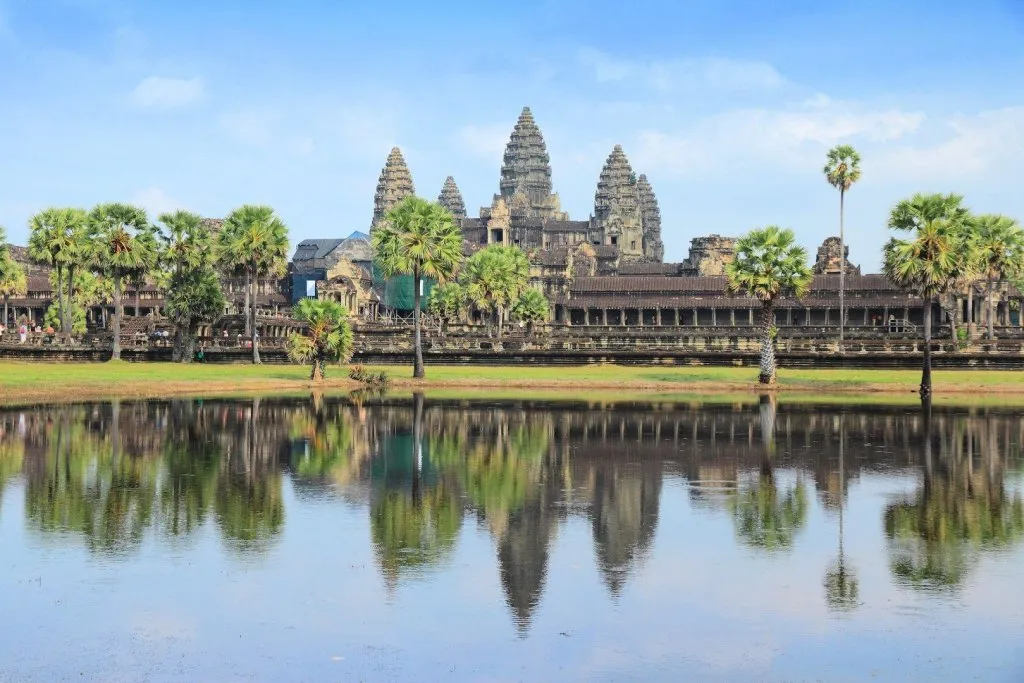
A 12th-century Hindu-Buddhist temple complex in northern Cambodia. Renowned as one of the Four Great Wonders of the Ancient East.
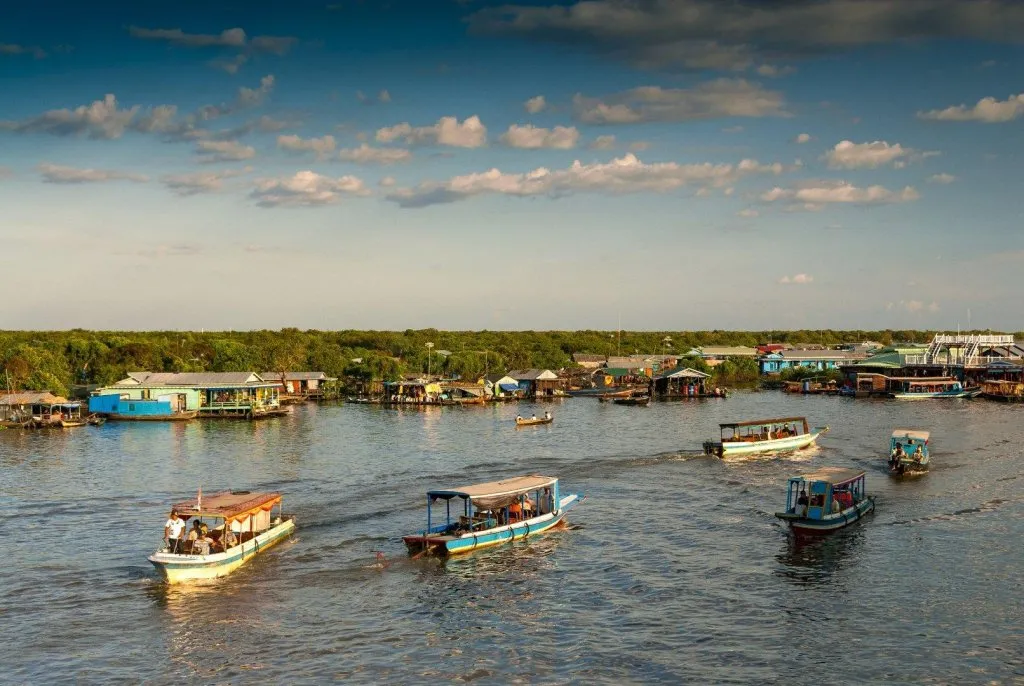
Southeast Asia's largest freshwater lake with unique floating villages and rich ecosystem. Take a boat tour to visit Vietnamese floating villages and enjoy stun...
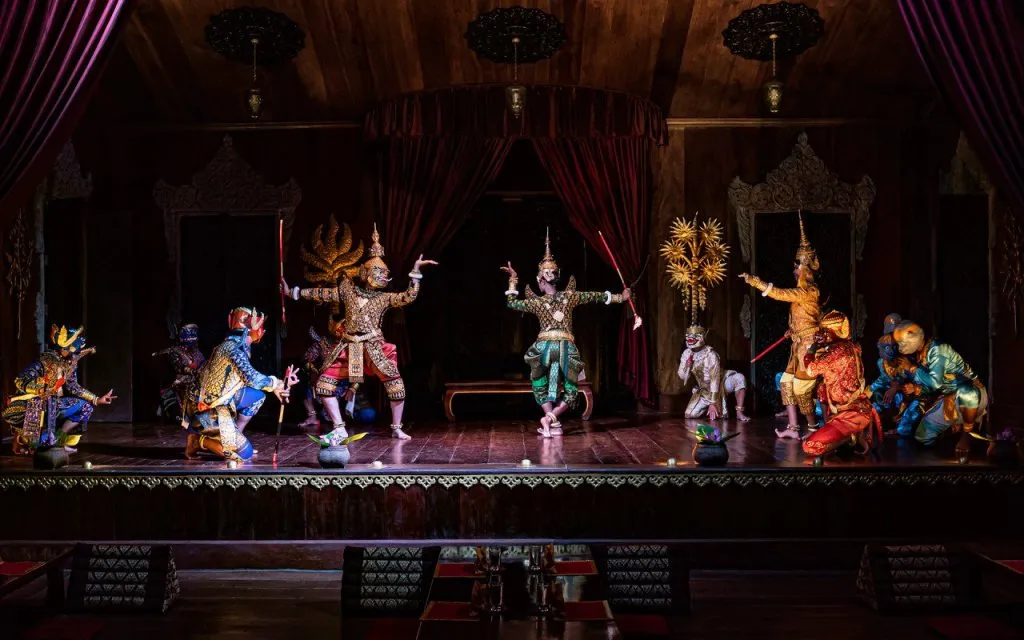
Apsara Theatre is built in a traditional semi-colonial style, filled with magnificent energy. From the original wooden exterior to antique decorations and canop...