
George Trantas
EnglishWonderful temple with Hinduism Faces on the upper part. Walk within and feel the vibes! It's the third temple in the basic circuit.
/
Source: Google
Bayon Temple is located at the center of Angkor Thom and is one of the most important temples in the Angkor complex, built by King Jayavarman VII in the late 12th century. The temple's most famous feature is its 54 towers with four faces each, carved with giant smiling Buddha images known as the "Smile of Angkor". These mysterious smiling faces are said to be modeled after the king himself. The walls of Bayon Temple are adorned with exquisite bas-reliefs depicting war scenes, daily life, and mythological stories of the time. The temple's architectural structure is complex, featuring multiple levels of platforms and galleries, representing the pinnacle of Angkor architectural art.
Wonderful temple with Hinduism Faces on the upper part. Walk within and feel the vibes! It's the third temple in the basic circuit.

Jayavarman VII built Bayon around 1200 as the Mahayana Buddhist state temple at the centre of Angkor Thom. Its outer gallery sets royal campaigns, processions and dancers across long, readable relief fields. Construction continued through several revisions, drawing the inner gallery and upper sanctuary into an increasingly crowded plan. After his reign, Buddhist images were erased or recut during a Hindu reaction traditionally linked to Jayavarman VIII, though responsibility for the destruction remains disputed. The inner gallery now preserves altered Buddhist figures beside Hindu and unresolved scenes whose dates and relationships remain uncertain. Above them, the upper terrace fills most of the area inside the gallery, where corridors narrow and face-bearing towers overlap. Bayon’s crescendo of compression is the physical result of royal ambition, continued building and religious intervention.

45分ぐらいかけてじっくり観光しました。日陰がないため厳重な暑さ対策おすすめします。 彫刻から当時の生活が分かり興味深かったです!

Omg I can’t believe my eyes, the entrance of this temple was majestic and more the temple looks made me like wow on every turns😇. Wow the bay on temple is something else should visit and feel, there are also mini temples and other monuments were there. Temple is really big, For travellers who wants to experience every nook and detail, I recommend plan 1 day for this temple. It’s big and mysterious and peaceful.

One of the highlights was exploring the area around Angkor Wat and nearby temples like Bayon, with its famous stone faces, and Ta Prohm, where ancient ruins are beautifully intertwined with massive tree roots. Each place feels completely different, from peaceful and spiritual to almost mystical and overgrown like a lost world. The whole experience is rich in history and culture, and you really get a sense of how important this ancient civilisation was. It’s well worth taking your time to explore different temples rather than rushing through. Even in the heat, it’s absolutely worth it just bring water, wear comfortable shoes, light clothes and start early if possible. A truly amazing and once-in-a-lifetime experience that I would highly recommend to anyone visiting Cambodia.
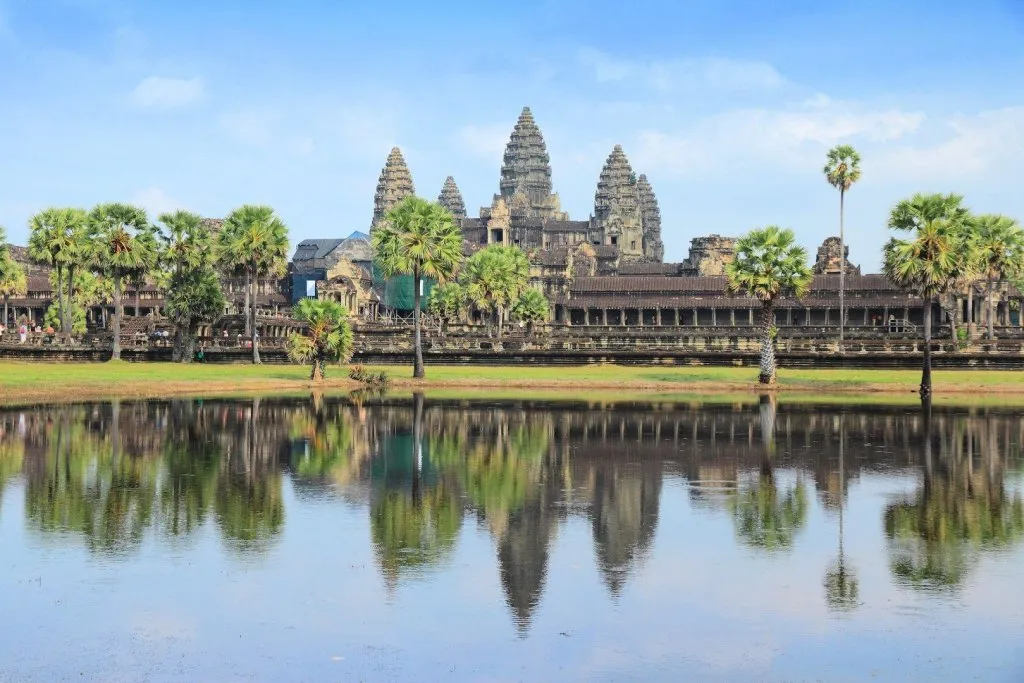
A 12th-century Hindu-Buddhist temple complex in northern Cambodia. Renowned as one of the Four Great Wonders of the Ancient East.
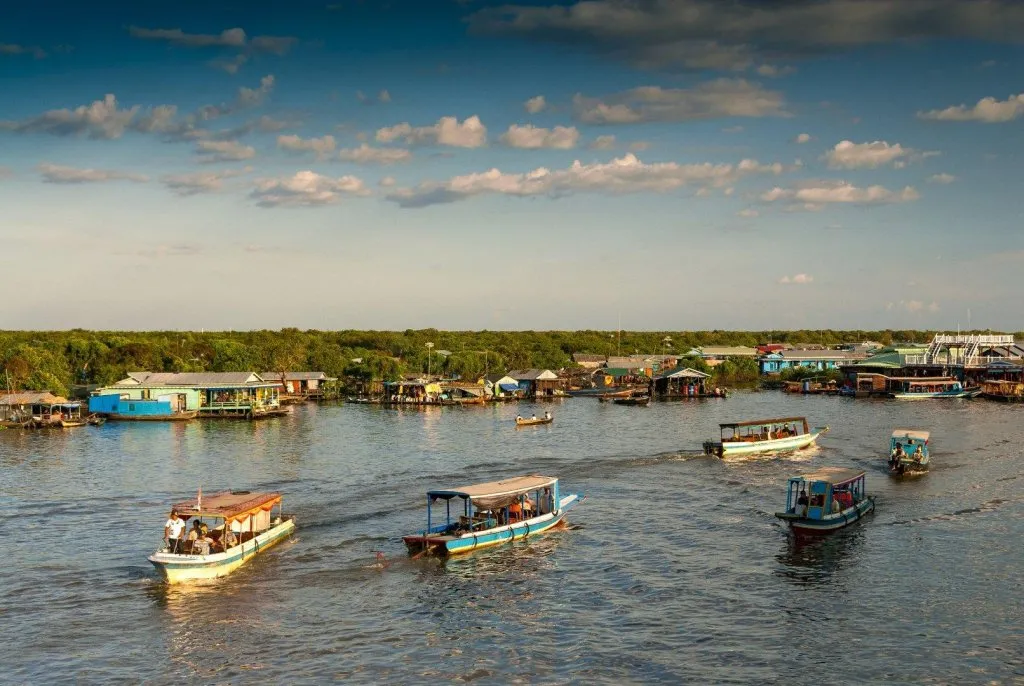
Southeast Asia's largest freshwater lake with unique floating villages and rich ecosystem. Take a boat tour to visit Vietnamese floating villages and enjoy stun...
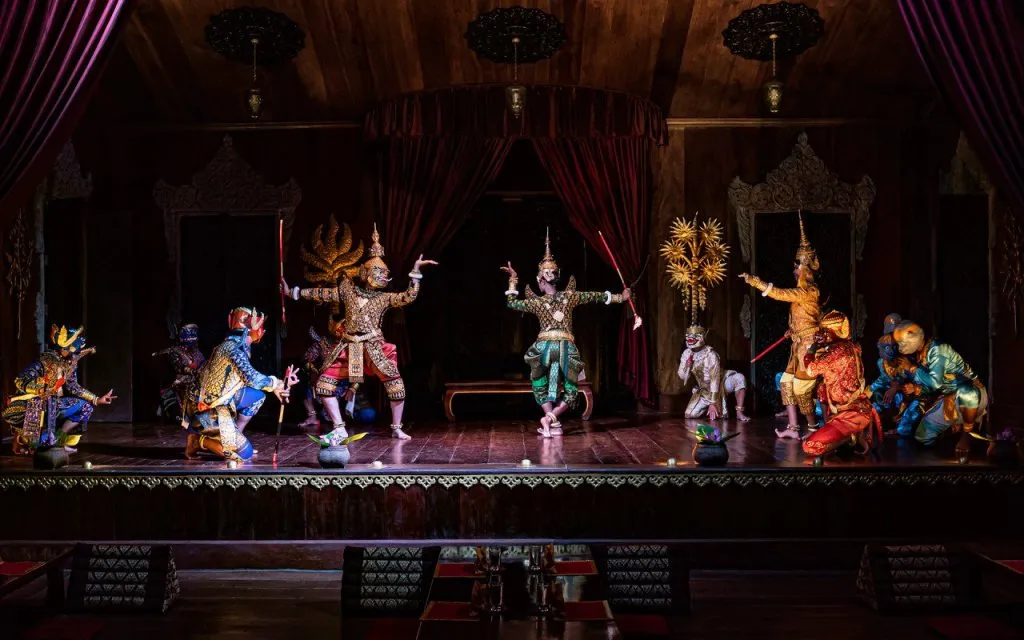
Apsara Theatre is built in a traditional semi-colonial style, filled with magnificent energy. From the original wooden exterior to antique decorations and canop...