
yingchen liu
中文5美元门票(cash only),5美元讲解器。 很震撼,照片素材丰富,场景保护和还原都很好。
/
Source: Google
Tuol Sleng Genocide Museum is located in southern Phnom Penh, at the intersection of Street 113 and Street 350. Originally a high school, it was used as a detention camp during the Khmer Rouge period, also known as S-21 Prison. Now open as a museum, it displays various torture instruments, photographs, and historical documents, silently telling the horrific history. Documentary films are screened daily, mainly depicting the true story of a young couple forced apart and persecuted by the Khmer Rouge.
5美元门票(cash only),5美元讲解器。 很震撼,照片素材丰富,场景保护和还原都很好。

解说很好,很有必要租,红色高棉让我痛心疾首

There’s no rating for this either. What do five stars mean in a room where the floor tiles are the same ones people bled on? The photographs on the walls look back at you — thousands of faces, numbered before they were killed, because even in the machinery of death there was paperwork, filing, bureaucratic precision. That’s the quiet horror of this place: it wasn’t chaos. It was organized. Someone kept records. Someone stamped forms. Someone clocked in. You walk the halls and realize the guards were not demons summoned from elsewhere. They were young, some barely out of childhood themselves, shaped by fear and ideology into instruments of cruelty. The banality of it is what lingers — not lightning bolts of evil, but ordinary hands doing terrible, repeated work. This isn’t a museum you visit to be entertained or even simply educated. It’s a place you visit to be confronted — with how thin the membrane really is between a classroom and a chamber, between a neighbor and an executioner, between us and them, when “them” turns out to be no different from us at all. Go slowly. Say nothing you don’t mean. Let the silence between the buildings speak first.

Prepare yourself prior going there because you will need a quiet time afterward. Dress appropriately as this is a memorial place. For foreigners, prepare cash because they don’t accept card / QR payment, USD 10 for the entrance fee and the audio guide. Audio guide is highly recommended because the written explanation inside is minimum. No tour guide as well because you must not talk inside the buildings. This place is not suitable for kids. Prepare yourself because you will meet face to face with some of the real victims of S-21, I think this was the hardest part of the trip to the museum.. seeing them in front of you feels surreal. I felt the sadness and relieve at the same time. I cannot fathom how everyday they could go to the same place that put them in a harrowing torture. You will appreciate people of Cambodia even more after the visit.

All my love to the Cambodian people. What they went through is inimaginable. Visiting S21 should be a mandatory visit for everyone, and learn about the mistakes made in the past. Congratulations to everyone involved in making this museum possible. Audio guide was good and easy to follow.
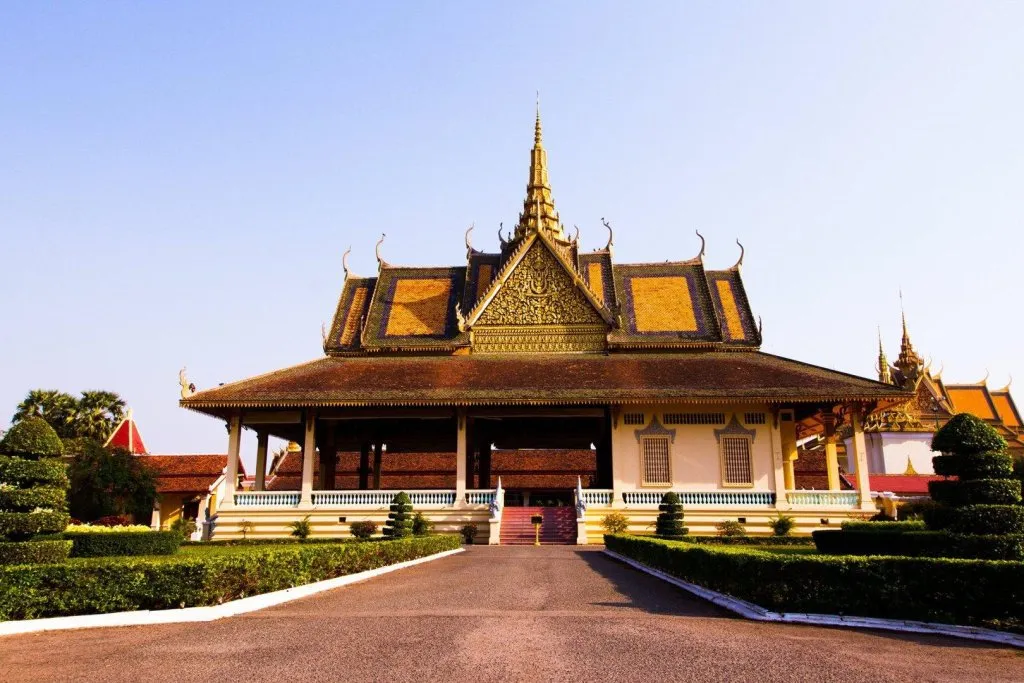
The official residence of the King of Cambodia, featuring golden roofs and yellow walls in traditional Khmer architectural style.
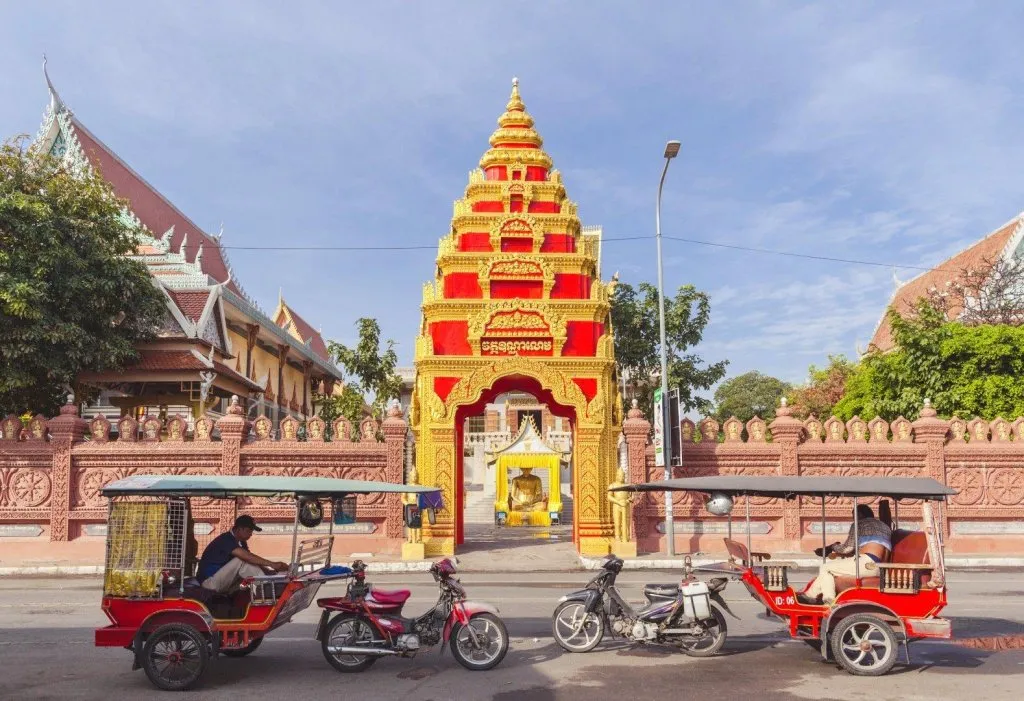
Phnom Penh's largest and oldest monastery, featuring the city's largest stupa. Houses Buddha relics brought from Ceylon in 1890 and serves as headquarters of Ca...
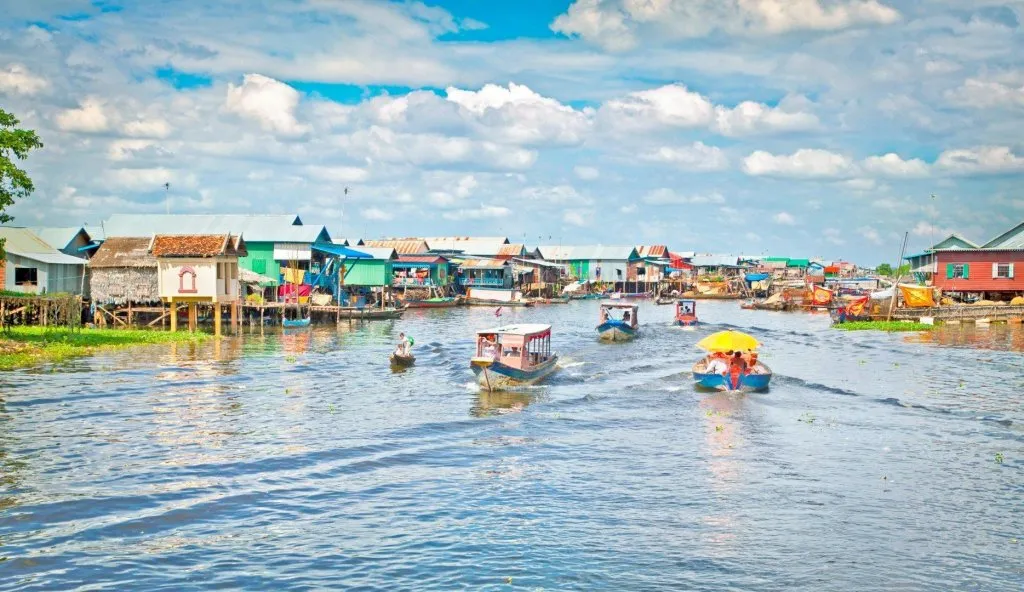
The Mekong River is located in the heart of Cambodia, converging with Tonle Sap Lake, and is one of the most important rivers in Southeast Asia. The river is su...